Results & Progress
Hair Shedding During Treatment: Why It Happens and When to Worry
You started treatment and now you're shedding MORE? Don't panic. The "dread shed" is a well-known phenomenon that actually signals your treatment is working. Here's why.
Updated January 25, 2026
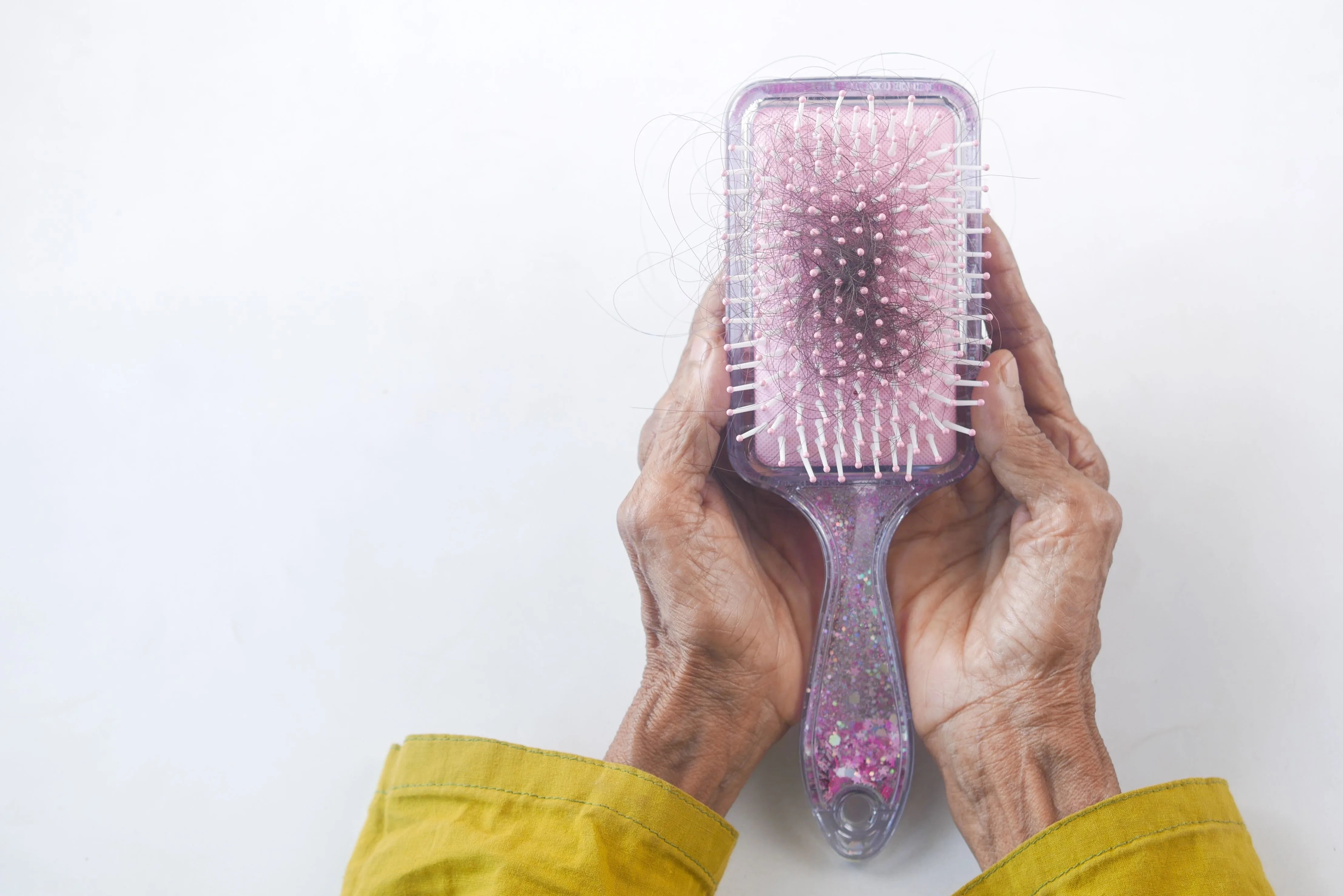
Nothing makes people quit treatment faster than increased shedding right after starting. It feels like proof the treatment is making things worse. In reality, it's often the opposite - the shedding is evidence that follicles are responding to treatment.
What Is the "Dread Shed"?
The dread shed is a temporary increase in hair shedding that occurs 2-8 weeks after starting a new hair loss treatment. It's most commonly associated with minoxidil but can occur with any treatment that stimulates follicle activity - including botanical serums, DHT blockers, and microneedling.
Why It Happens: The Science
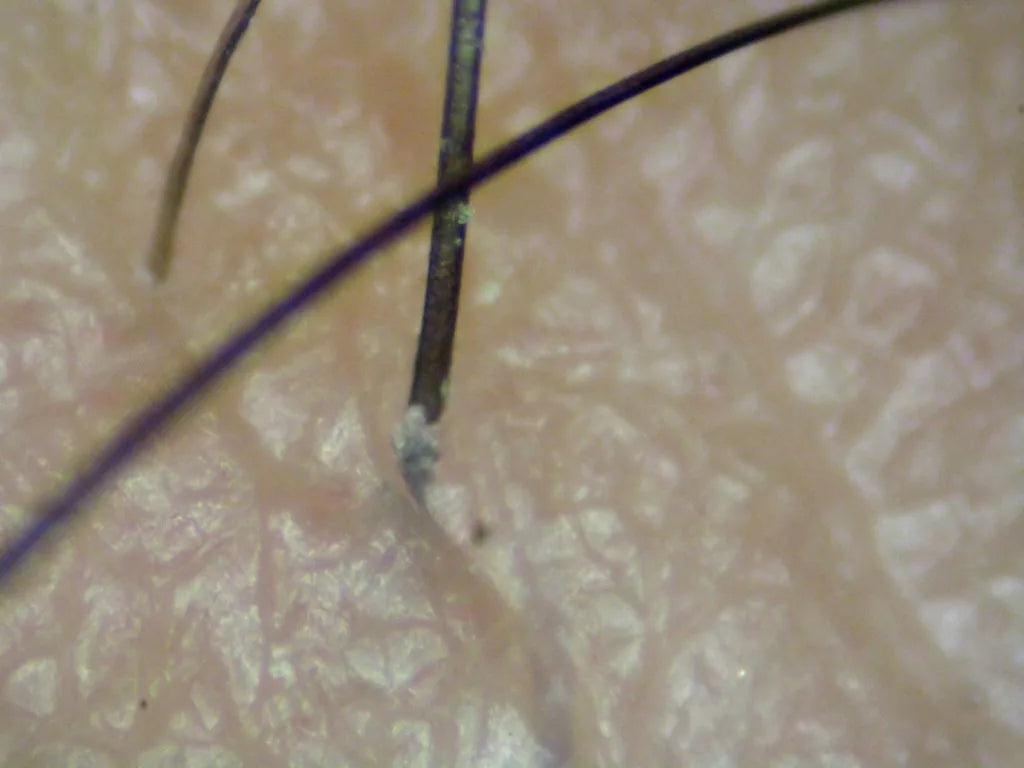
- Follicle cycling acceleration: Effective treatments stimulate follicles to enter new, stronger growth cycles. To start a new cycle, the follicle must first shed its current (weak, miniaturized) hair shaft.
- Telogen release: Many resting (telogen) follicles are simultaneously triggered to release, creating a burst of shedding.
- The replacement is better: The new hair that grows in place of the shed hair is typically thicker and healthier - the whole point of treatment.
- Analogy: It's like renovating a house. You have to tear out the old before the new can go in. The demolition phase looks worse before the improvement.
How Long Does It Last?
Most dread sheds last 2-6 weeks. Shedding peaks around weeks 3-4 and then gradually decreases. By months 2-3, shedding should be back to normal or below baseline. If increased shedding persists beyond 10-12 weeks, consult a dermatologist.
When to Actually Worry
- Shedding that continues beyond 12 weeks at elevated levels
- Patchy or localized shedding (suggests alopecia areata, not treatment response)
- Scalp irritation, redness, or itching accompanying the shedding (possible product reaction)
- Shedding accompanied by other symptoms (fatigue, weight changes - may indicate thyroid or nutritional issues)
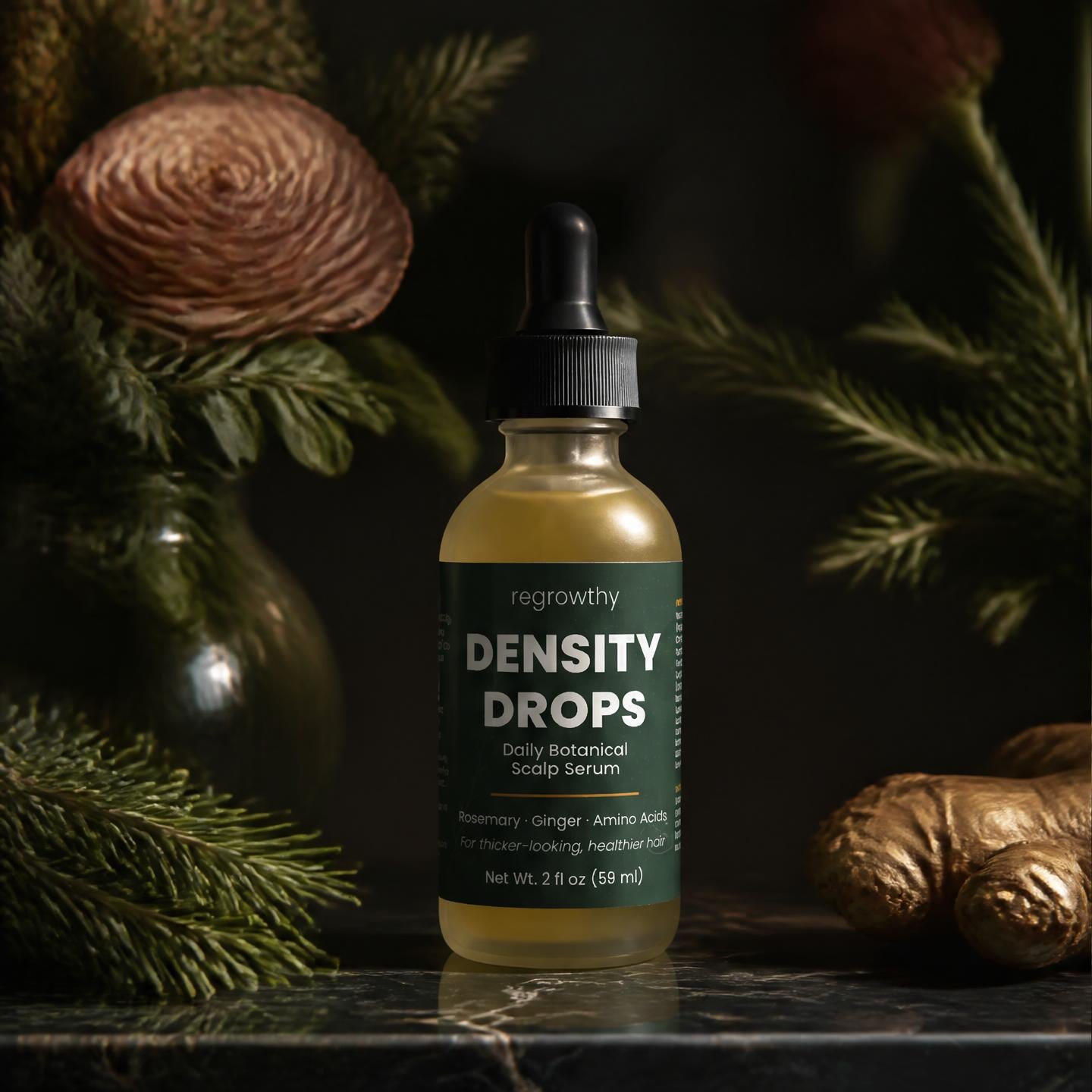
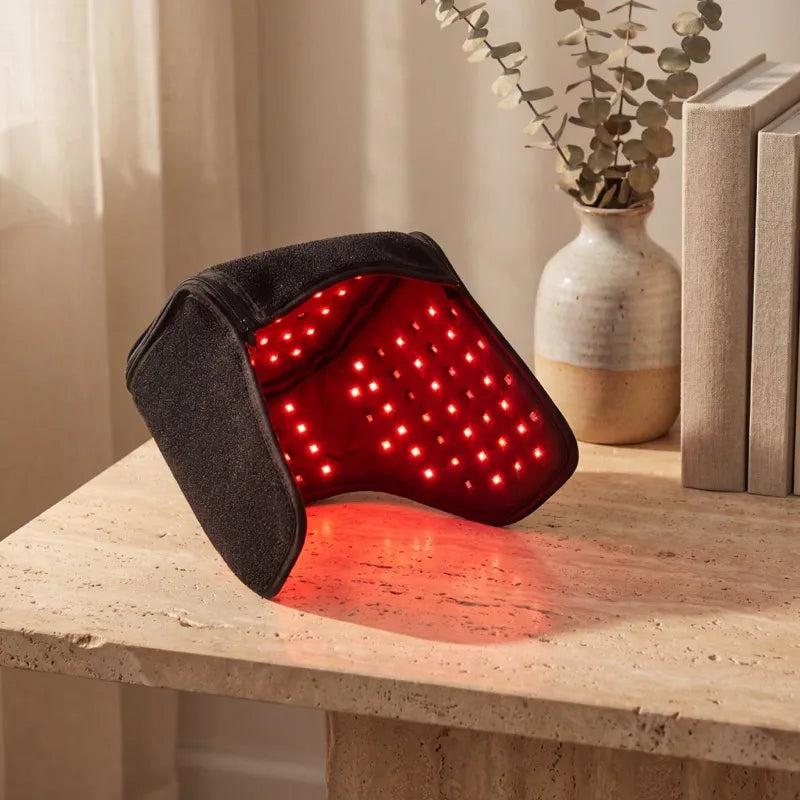
The Regrowthy Laser Therapy Cap is formulated with gentle, non-irritating ingredients to minimize adverse reactions while still effectively stimulating follicle activity. Some initial shedding is still expected and is a positive sign of treatment response.
From the routine
Mentioned in this article
Common questions
Frequently asked questions
Should I stop treatment if I'm shedding more?+
Does everyone experience the dread shed?+
Can I tell the difference between dread shed and hair loss getting worse?+
Will the shed hair grow back?+
The Regrowthy System
Ready to start regrowing at home?
Hands-free. Non-prescription. 660nm clinical wavelength, backed by a 30-day guarantee.
Continue Reading
Results & Progress
Hair Regrowth Timeline: What to Expect Month by Month
9 min read
Hair Loss Science
The Hair Growth Cycle: Anagen, Catagen, Telogen
9 min read
Results & Progress
How to Track Hair Growth Progress: Photos, Metrics, and Tools
7 min read
Conditions & Hair Types