Results & Progress
Seasonal Hair Loss: Why You Shed More in Fall and What to Do
Notice more hair in your brush every autumn? You're not imagining it. Seasonal shedding is real, well-documented, and nothing to panic about. Here's why it happens.
Updated January 25, 2026
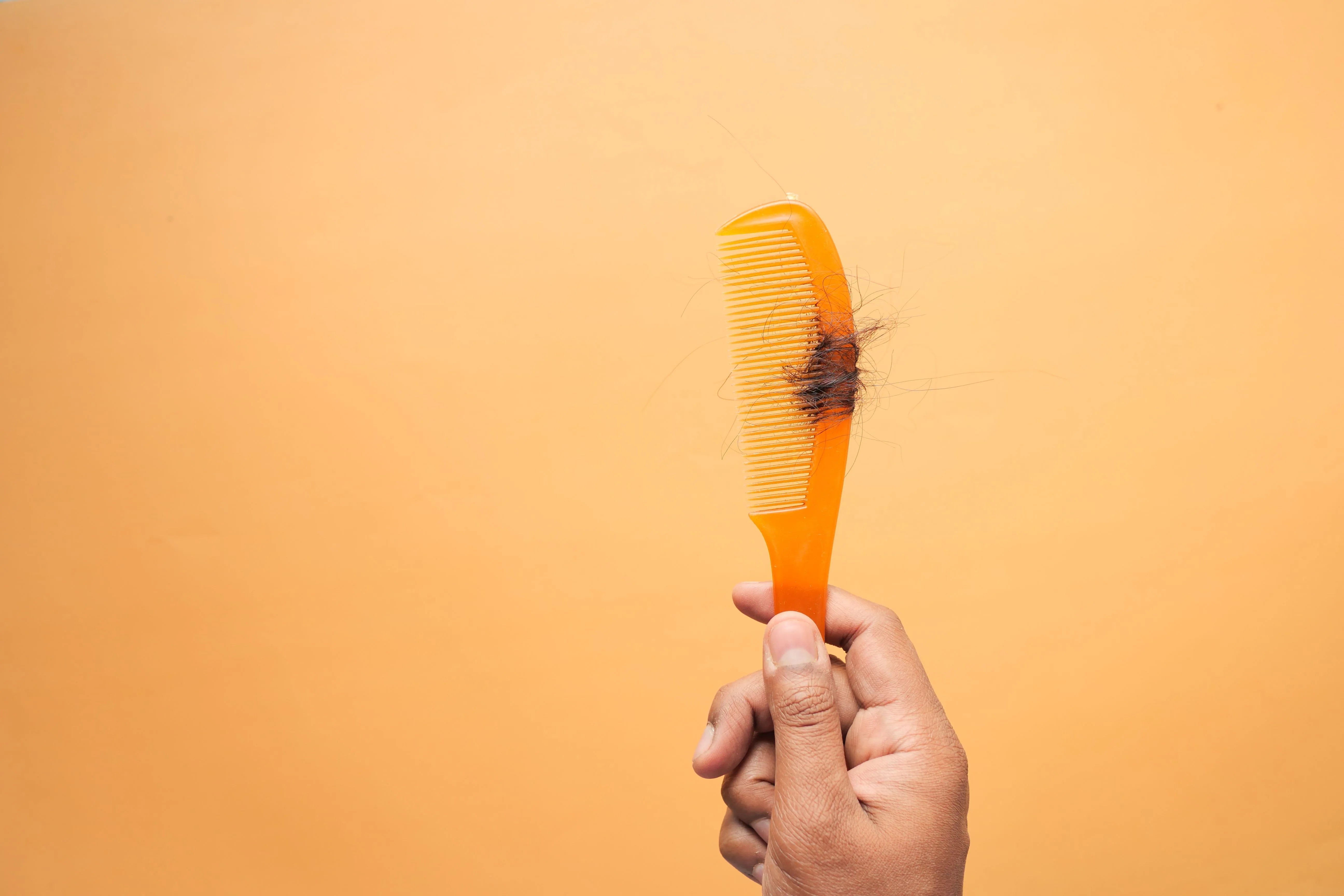
Multiple studies have confirmed that human hair shedding follows a seasonal pattern, with the highest shedding rates occurring in late summer through autumn. If you're panicking about increased fall shedding - take a breath. It's likely normal.
The Seasonal Shedding Pattern
A large-scale study analyzing Google search data and clinical records found that hair loss searches peak every year in late summer and autumn. Clinical studies measuring telogen hair counts confirm increased shedding in August-November. The peak shedding period is typically September-October, with recovery through winter into spring.
Why It Happens: The Evolutionary Explanation
- Summer protection: More follicles stay in the anagen growth phase during summer to provide UV protection and cooling. This means fewer hairs are naturally cycling into telogen during summer.
- Autumn release: As daylight hours decrease in late summer, the delayed telogen hairs release simultaneously. The "backlog" of hairs that should have shed throughout summer all come out at once.
- The result: A noticeable increase in daily shedding - potentially 100-150 hairs per day instead of the usual 50-100.
Seasonal vs. Pathological Loss
- Seasonal shedding: Temporary (6-8 weeks), occurs predictably each autumn, resolves on its own, no visible density loss.
- Pattern baldness (AGA): Progressive, not seasonal, visible thinning at temples/crown, doesn't resolve on its own.
- Rule of thumb: If increased shedding started in September and resolved by November with no density change, it was seasonal. If it started without seasonal correlation or persists beyond 12 weeks, investigate further.
What to Do About Seasonal Shedding
Seasonal shedding is temporary and resolves without intervention. However, you can support your hair through the season with nutritional supplements (especially vitamin D as sunlight decreases), continued use of laser cap, and gentle hair handling. Don't start or stop treatments based on seasonal patterns - stay consistent year-round.
From the routine
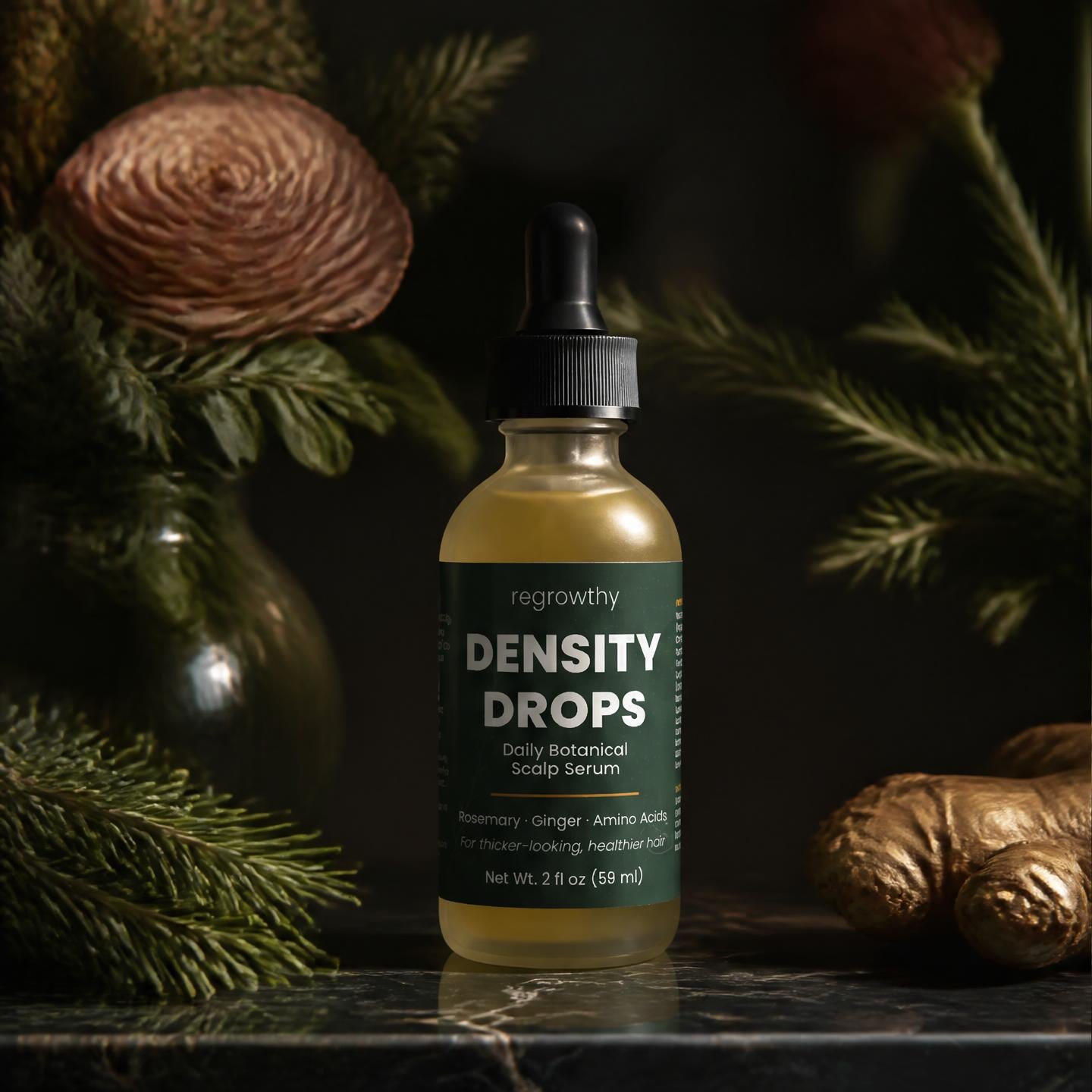
Mentioned in this article

Common questions
Frequently asked questions
Is it normal to shed more in autumn?+
Should I change my treatment routine seasonally?+
Does seasonal shedding affect treatment progress?+
Does climate affect seasonal shedding?+
The Regrowthy System
Ready to start regrowing at home?
Hands-free. Non-prescription. 660nm clinical wavelength, backed by a 30-day guarantee.
Continue Reading
Hair Loss Science
The Hair Growth Cycle: Anagen, Catagen, Telogen
9 min read
Conditions & Hair Types
Telogen Effluvium Recovery: Your Complete Guide to Regrowth
9 min read
Results & Progress
How to Track Hair Growth Progress: Photos, Metrics, and Tools
7 min read
Myths & Facts