Lifestyle & Wellness
20+ Medications That Can Cause Hair Loss (and What to Do About It)
Hair loss is a side effect of dozens of common medications. If you've started shedding after beginning a new prescription, your medication may be the cause. Here's the complete list and your options.
Updated January 30, 2026
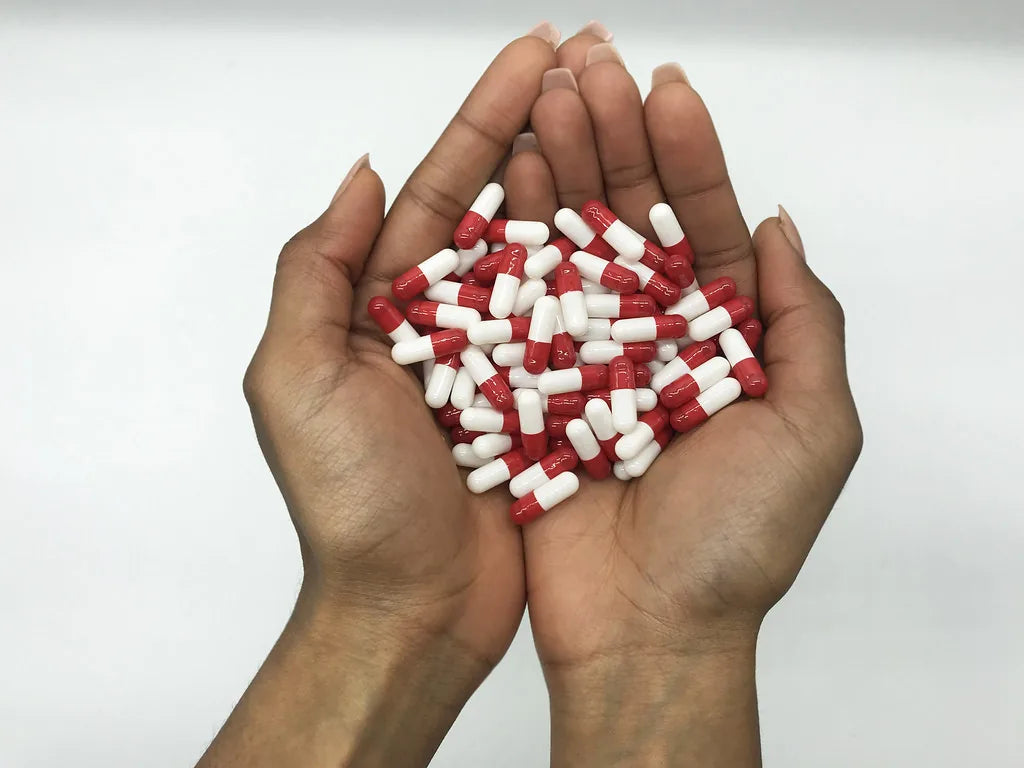
If you've noticed increased hair shedding 2-4 months after starting a new medication, there's a strong chance the drug is the cause. Medication-induced hair loss is more common than most people - and many doctors - realize. It affects both men and women across a wide range of drug categories.
How Medications Cause Hair Loss
Drugs affect hair through two primary mechanisms:
- Telogen effluvium: The drug pushes actively growing (anagen) follicles into the resting (telogen) phase prematurely. Shedding appears 2-4 months after starting the medication. This is the most common mechanism and is usually reversible.
- Anagen effluvium: The drug directly damages actively dividing hair matrix cells, causing hair to break or fall out during the growth phase. This is more dramatic and occurs with chemotherapy drugs. Also reversible, but more severe during treatment.
Common Medications That Cause Hair Loss
- Blood thinners (anticoagulants): Heparin, warfarin - telogen effluvium in up to 50% of users.
- Beta-blockers: Propranolol, metoprolol, atenolol - common cause of diffuse thinning.
- ACE inhibitors: Lisinopril, enalapril - less common but documented.
- Antidepressants: SSRIs (sertraline, fluoxetine), SNRIs (venlafaxine), tricyclics - varying rates reported.
- Retinoids: Isotretinoin (Accutane), vitamin A derivatives - affects hair follicle cycling.
- Mood stabilizers: Lithium, valproic acid - significant hair thinning in some users.
- Hormonal contraceptives: Some progestins are androgenic and can trigger or worsen pattern hair loss.
- Anti-seizure medications: Carbamazepine, phenytoin - alter nutrient absorption affecting hair.
- Cholesterol drugs: Some statins have reported hair loss as a side effect.
- Anti-inflammatory drugs: High-dose NSAIDs, methotrexate - affect rapidly dividing cells.
- Thyroid medications: Both over- and under-treatment of thyroid conditions can cause shedding.
- Chemotherapy agents: Most classes cause anagen effluvium - the most dramatic drug-induced hair loss.
⚠️Important
Never stop or change a prescribed medication because of hair loss without consulting your doctor. The medical condition being treated is almost always more important than hair side effects. Work with your doctor to explore alternative medications if hair loss is significant.
What to Do If You Suspect Medication-Induced Hair Loss
- Document the timeline: When did you start the medication? When did shedding begin? Drug-induced TE typically starts 2-4 months after the drug.
- Talk to your prescriber: Mention the hair loss. Many drugs have alternatives with lower hair loss risk - your doctor may be able to switch you.
- Don't stop abruptly: Some medications require gradual tapering. Abrupt cessation can cause additional health problems and potentially worsen shedding.
- Give it time: Some drug-induced hair loss improves as your body adjusts to the medication (3-6 months).
- Support your follicles: While on the medication, maximize hair health through nutrition, supplementation, and gentle scalp care.
Supporting Hair Recovery
Whether you switch medications or stay on the current one, support follicle recovery with: hair supplements to replace any nutrient depletion, laser therapy to encourage follicle cycling back to anagen, and gentle scalp care to maintain a healthy growth environment. Most medication-induced hair loss is fully reversible once the drug is discontinued or the body adapts.
From the routine
Mentioned in this article


Common questions
Frequently asked questions
Will my hair grow back after stopping the medication?+
How do I know if it's the medication or genetic hair loss?+
Can I take hair supplements while on prescription medications?+
My doctor says my medication doesn't cause hair loss - but it started right after I began taking it.+
The Regrowthy System
Ready to start regrowing at home?
Hands-free. Non-prescription. 660nm clinical wavelength, backed by a 30-day guarantee.
Continue Reading

Lifestyle & Wellness
Stress and Hair Loss: The Science Behind Telogen Effluvium
9 min read
Hair Loss Science
The Hair Growth Cycle: Anagen, Catagen, Telogen
9 min read
Lifestyle & Wellness
The Best Diet for Hair Growth: Foods That Feed Your Follicles
10 min read
Results & Progress