Conditions & Hair Types
Hair Loss After COVID-19: Why It Happens and How to Recover
Up to 30% of COVID-19 patients report significant hair shedding 2-4 months after infection. Here's why it happens and what the science says about recovery.
Updated January 30, 2026
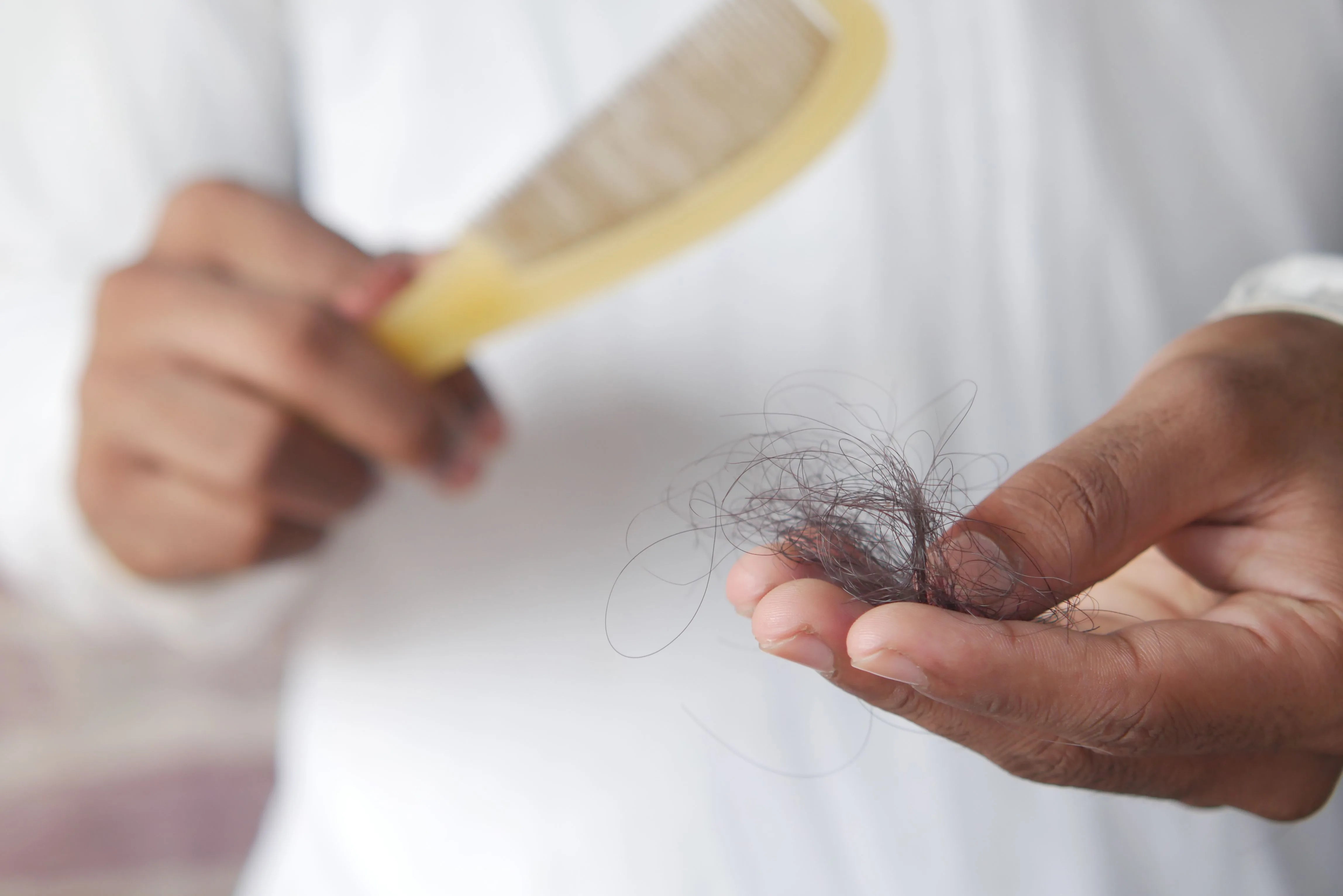
Post-COVID hair loss became one of the most widely reported "long haul" symptoms. Studies suggest that 20-30% of COVID-19 patients experience significant hair shedding in the months following infection - some of the highest rates of telogen effluvium ever documented from a single illness.
Why COVID-19 Causes Hair Loss
- Systemic inflammatory stress: COVID triggers a massive immune response (cytokine storm in severe cases) that shocks the body and pushes hair follicles into telogen effluvium.
- High fever: Sustained fever is one of the strongest triggers for TE. The higher the fever and longer the duration, the more follicles affected.
- Psychological stress: The emotional stress of illness, isolation, life disruption, and health anxiety compounds the physical trigger.
- Nutritional depletion: Illness reduces appetite and nutrient absorption. COVID specifically may deplete zinc, vitamin D, and iron - all critical for hair follicle function.
- Microvasculature effects: COVID's effects on small blood vessels may temporarily reduce blood flow to follicles.
The COVID Hair Loss Timeline
- Week 0: COVID infection begins. Follicles are exposed to inflammatory stress.
- Weeks 8-12: Hair shedding typically begins. Often dramatic - handfuls in the shower, hair on pillows and clothes.
- Months 3-5: Peak shedding. This is the most alarming period, but it's temporary.
- Months 6-9: Shedding diminishes. New "baby hairs" become visible.
- Months 9-15: Progressive recovery. Most people return to near-normal density.
Long COVID and Chronic Shedding
Some long COVID patients experience prolonged shedding beyond the typical 6-month TE window. This may be due to ongoing systemic inflammation, persistent nutritional depletion, or unresolved stress and anxiety. Long COVID hair shedding requires a more aggressive recovery approach and may benefit from medical evaluation to assess ongoing inflammation and nutritional status.
Recovery Strategies
- Replenish nutrients: Hair supplements address post-illness nutritional depletion - zinc, vitamin D, iron, biotin, and B-vitamins support follicle recovery.
- Support regrowth: laser cap encourages follicles to cycle back into anagen more quickly.
- Manage stress: Post-illness anxiety and the stress of hair loss itself can perpetuate the shedding cycle. Prioritize stress management.
- Optimize sleep: Quality sleep promotes growth hormone release and cellular repair.
- Be patient: COVID-related TE follows the standard TE recovery curve - most people recover fully within 12-15 months of the initial shedding.
From the routine
Mentioned in this article

Common questions
Frequently asked questions
Will my hair grow back after COVID hair loss?+
Does the COVID vaccine cause hair loss?+
Should I see a doctor for post-COVID hair loss?+
Can COVID cause permanent hair loss?+
The Regrowthy System
Ready to start regrowing at home?
Hands-free. Non-prescription. 660nm clinical wavelength, backed by a 30-day guarantee.
Continue Reading

Conditions & Hair Types
Telogen Effluvium Recovery: Your Complete Guide to Regrowth
9 min read
Lifestyle & Wellness
Stress and Hair Loss: The Science Behind Telogen Effluvium
9 min read
Lifestyle & Wellness
The Best Diet for Hair Growth: Foods That Feed Your Follicles
10 min read
Hair Loss Science