Results & Progress
How to Measure Hair Density: Clinical and At-Home Methods
Wondering exactly how much hair you have - and whether it's improving? Here are the clinical and DIY methods for measuring hair density objectively.
Updated January 30, 2026
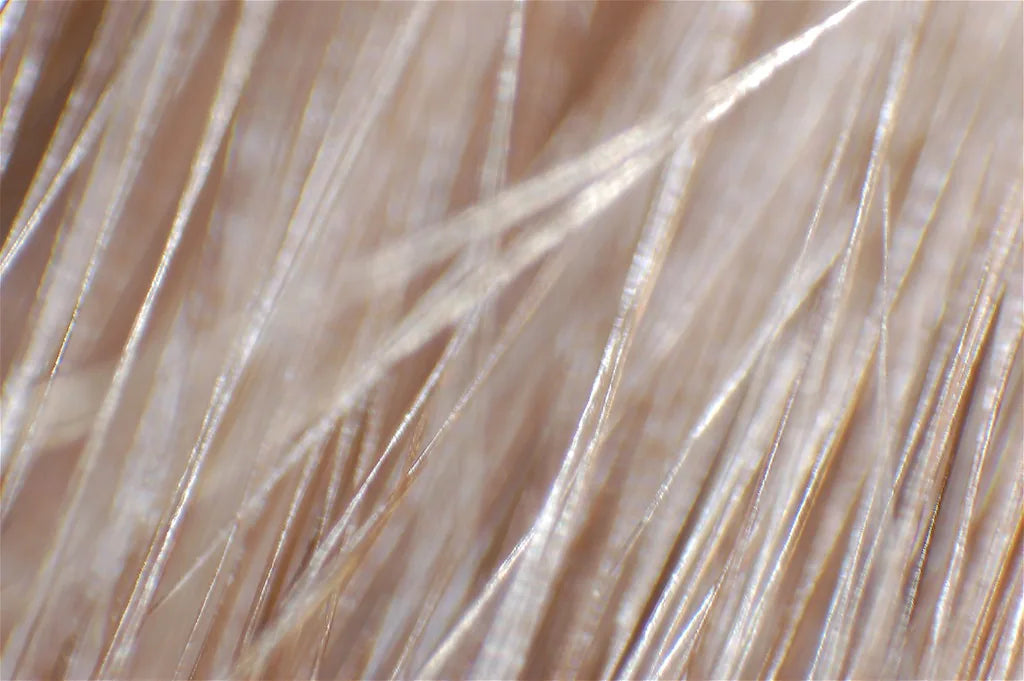
Numbers don't lie - and objective hair density measurements remove the guesswork from tracking your treatment progress. Here's how professionals measure hair density and how you can approximate it at home.
Clinical Measurement Methods
- Trichoscopy: A dermatologist uses a digital dermoscope to photograph a 1cm² area of scalp at high magnification. Software counts individual hairs and measures shaft diameter. This is the gold standard - highly accurate and reproducible.
- Phototrichogram: Hair in a small area is trimmed, photographed at 48 hours (to identify growing vs. resting hairs), and analyzed. Measures both density and the ratio of anagen to telogen hairs.
- Hair count: A defined scalp area is marked, and hairs within it are counted under magnification at regular intervals.
At-Home Tracking Methods
- Hair pull test: Grasp 40-60 hairs between thumb and forefinger, pull firmly from root to tip. Count extracted hairs. Normal: 0-3 (less than 10%). More than 6 suggests active shedding.
- Wash-day count: Count shed hairs during shampooing for 3 consecutive washes monthly. Track the average over time. Decreasing counts = positive sign.
- Part-width photography: Photograph your natural part line monthly with consistent conditions. Decreasing width = increased density.
- Smartphone trichoscopy: Clip-on macro lenses for smartphones can approximate dermoscopic imaging. While not as accurate as clinical tools, they can show visible changes in hair thickness over time.
Understanding Density Metrics
- Normal density: 100-150 hairs per cm² on the scalp (varies by ethnicity and location)
- Thinning: Noticeable when density drops below ~60% of original
- Hair diameter: Terminal hairs average 60-100 micrometers; miniaturized hairs are under 30 micrometers
- Anagen ratio: Healthy: 85-90% anagen, 10-15% telogen. AGA: ratio shifts toward more telogen
How Often to Measure
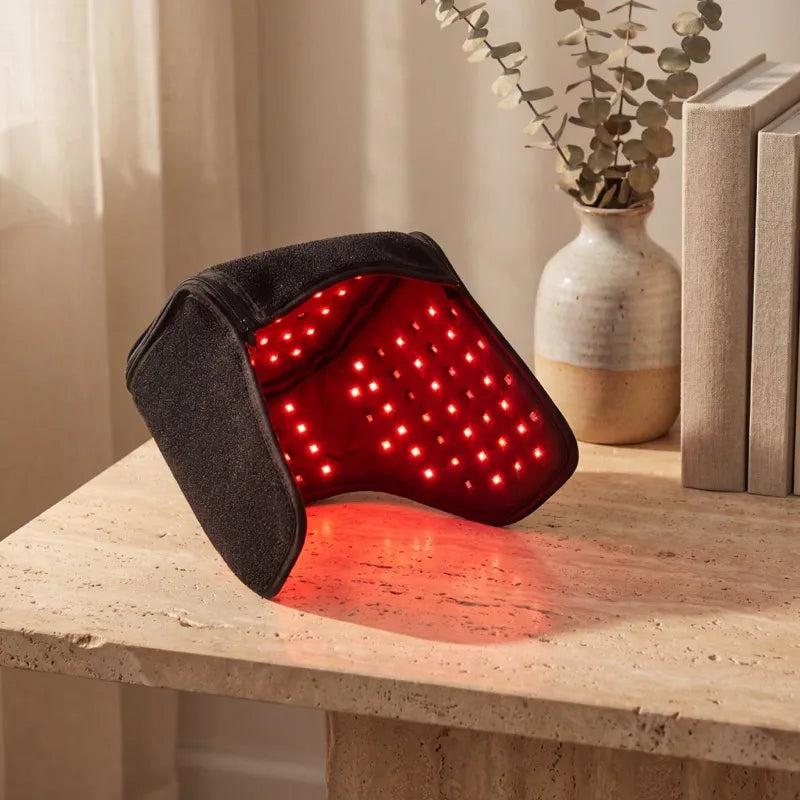
Monthly at-home tracking (photos + wash-day counts) provides sufficient data without becoming obsessive. Clinical trichoscopy every 6 months provides definitive measurement. Keep all data organized - use the Regrowthy Laser Therapy Cap consistently and track against the expected timeline.
From the routine
Mentioned in this article

Common questions
Frequently asked questions
How many hairs per day is normal to lose?+
Can I measure hair density with my phone?+
What's more important: hair count or hair thickness?+
My trichoscopy shows improvement but I can't see it+
The Regrowthy System
Ready to start regrowing at home?
Hands-free. Non-prescription. 660nm clinical wavelength, backed by a 30-day guarantee.
Continue Reading
Results & Progress
How to Track Hair Growth Progress: Photos, Metrics, and Tools
7 min read
Hair Loss Science
The Hair Growth Cycle: Anagen, Catagen, Telogen
9 min read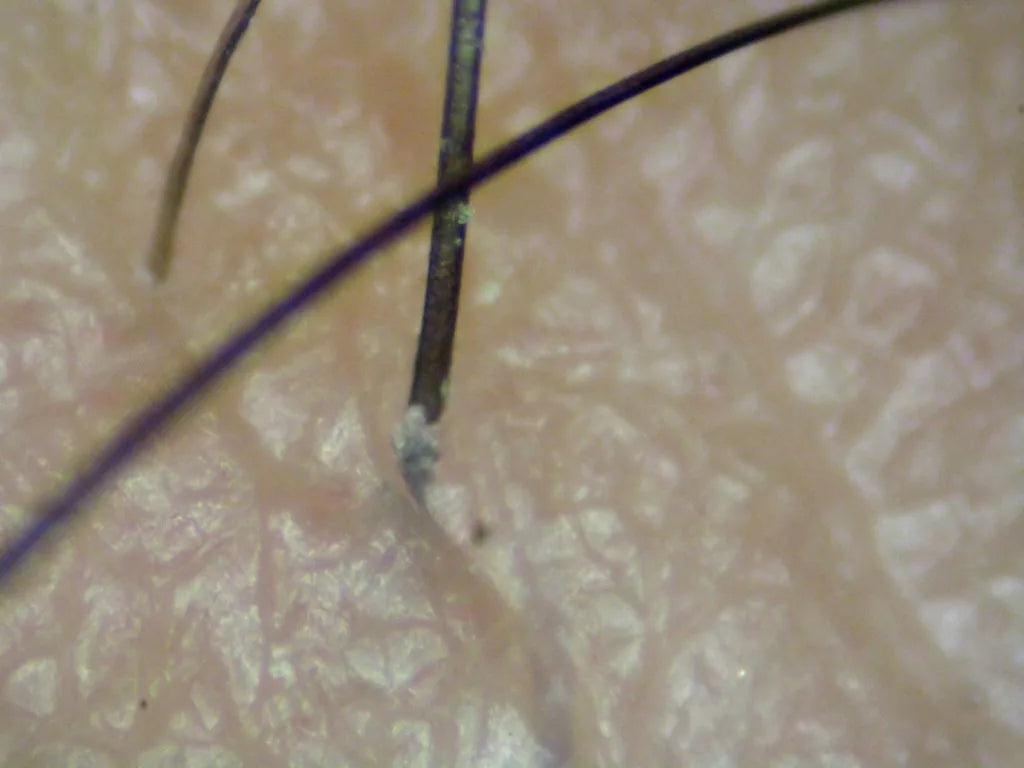
Results & Progress
Hair Regrowth Timeline: What to Expect Month by Month
9 min read
Results & Progress