Advanced Science
Circadian Rhythms and Hair Growth: Why Timing Matters
Hair follicles have their own internal clocks. Emerging research shows that circadian rhythms influence growth, shedding, and even treatment effectiveness. Here's what you need to know.
Updated January 30, 2026
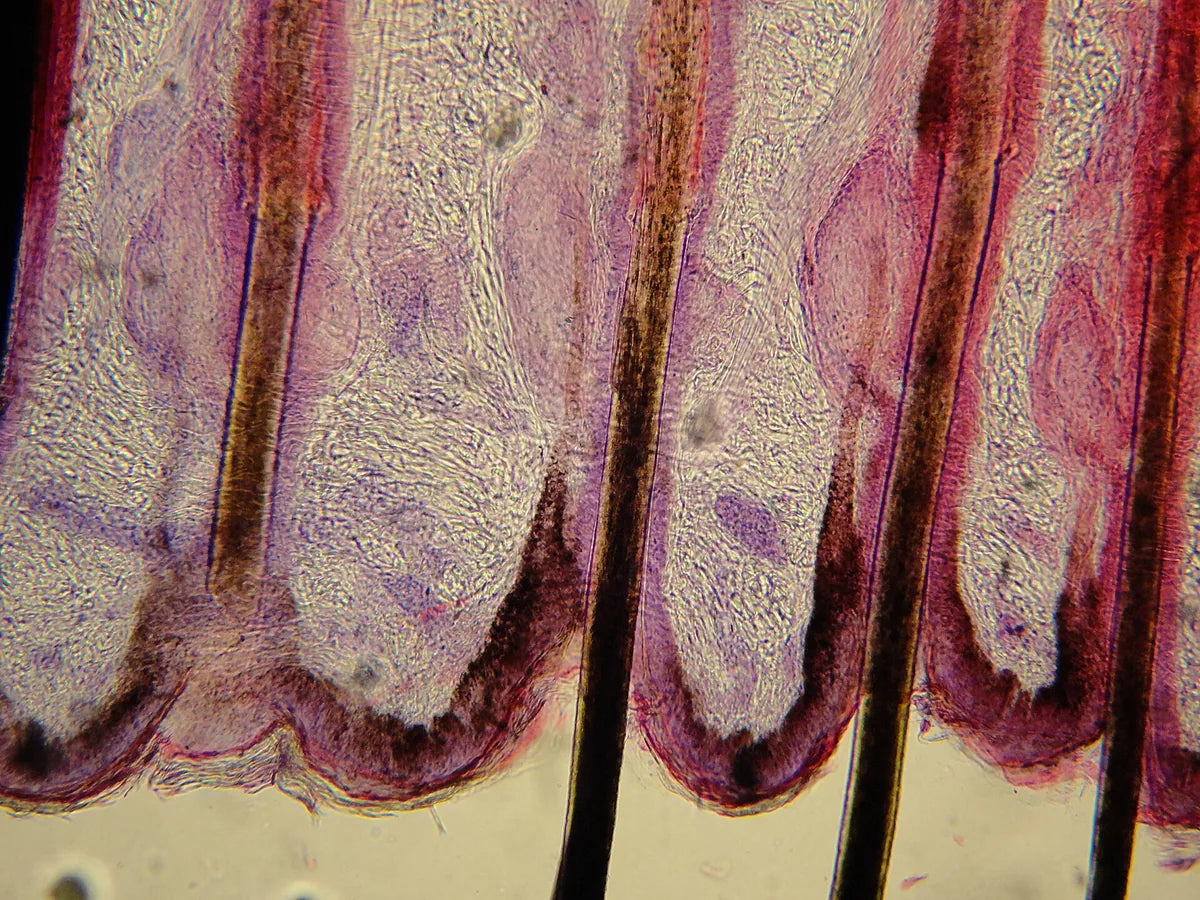
Your hair follicles don't just grow randomly - they follow circadian patterns governed by internal molecular clocks. Understanding these rhythms has implications for when you treat, how you sleep, and why disrupted schedules may accelerate hair loss.
Hair Follicles Have Internal Clocks
Research has identified active clock genes (CLOCK, BMAL1, PER, CRY) in human hair follicles. These genes create approximately 24-hour oscillations in cellular activity, including cell division rates, gene expression, and metabolic processes. This means follicles have their own circadian machinery, partially independent of the central brain clock.
What Research Reveals
- Growth rate variation: Hair matrix cell division follows a circadian pattern - growth rate is not constant throughout the day. Studies suggest peak proliferation occurs during morning hours.
- Anagen regulation: Clock gene disruption in animal models causes hair cycling abnormalities, including premature catagen entry. This suggests circadian function helps maintain the growth phase.
- Cortisol rhythm: The natural cortisol rhythm (high morning, low evening) influences follicle behavior. Disrupted cortisol patterns from shift work or chronic stress can impair follicle cycling.
- Shedding patterns: Some research suggests hair shedding may have seasonal and circadian components, with more shedding during autumn months and potentially influenced by day length.
Does Treatment Timing Matter?
- Morning vs. evening treatment: While conclusive evidence for optimal timing in humans is limited, applying growth-stimulating treatments in the morning (when cell division peaks) may maximally align with follicle biology.
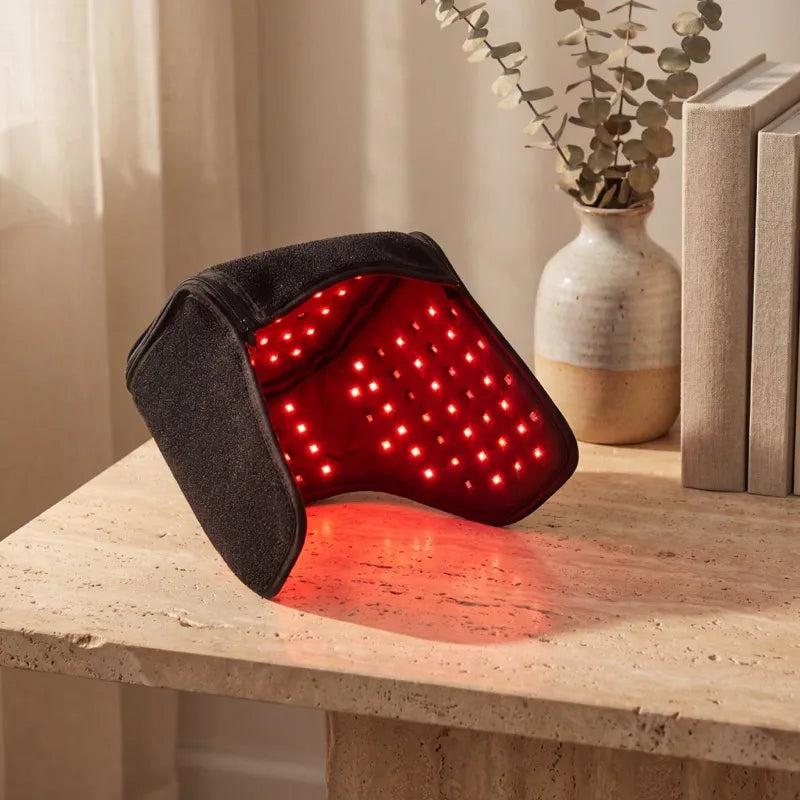
- LED therapy timing: Some researchers suggest morning LED sessions may be slightly more effective, though the difference is likely modest.
- Consistency matters most: Whatever time you choose, consistent daily treatment at the same time supports circadian alignment. Building treatment into a consistent routine is more important than the specific hour.
Optimizing Your Circadian Health for Hair
- Consistent sleep schedule: Quality sleep with consistent timing is crucial. Irregular sleep patterns disrupt both central and peripheral (follicle) clocks.
- Morning light exposure: Natural bright light in the morning helps synchronize your circadian system, including follicle clocks.
- Limit blue light at night: Evening screen exposure disrupts melatonin production and circadian alignment.
- Regular meal timing: Consistent eating windows support peripheral circadian clocks throughout the body.
From the routine
Mentioned in this article

Common questions
Frequently asked questions
Should I apply my hair treatment at a specific time?+
Does shift work cause hair loss?+
Does melatonin help hair growth?+
Why do I lose more hair in autumn?+
The Regrowthy System
Ready to start regrowing at home?
Hands-free. Non-prescription. 660nm clinical wavelength, backed by a 30-day guarantee.
Continue Reading
Lifestyle & Wellness
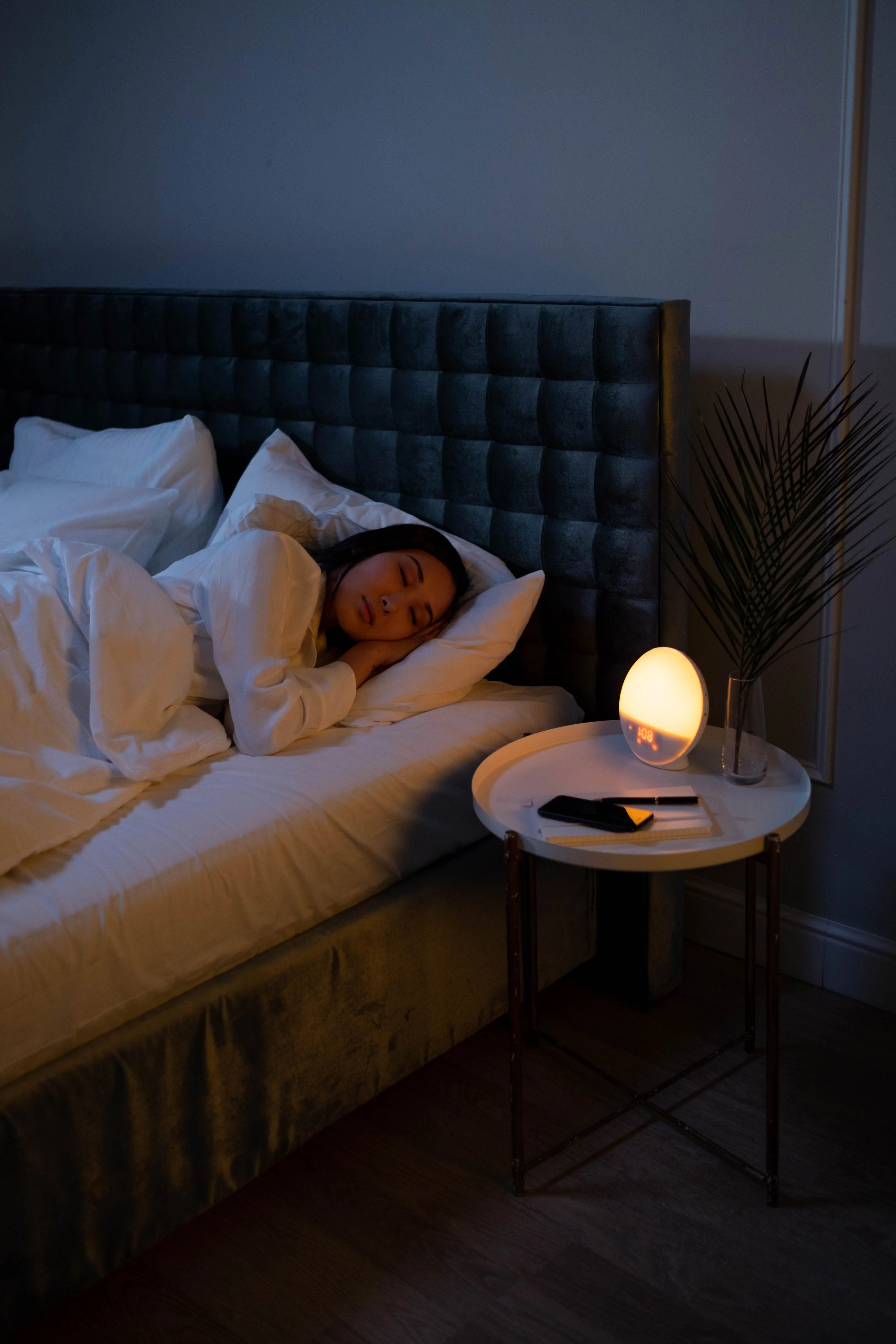
How Sleep Affects Hair Growth: The Overnight Recovery Window
7 min read
Hair Loss Science
The Hair Growth Cycle: Anagen, Catagen, Telogen
9 min read
Advanced Science
Epigenetics and Hair Loss: Beyond Your DNA
8 min read
Advanced Science