Advanced Science
Autophagy and Hair Follicle Renewal: Cellular Housekeeping for Better Hair
Autophagy - the process by which cells recycle damaged components - plays a surprisingly important role in hair follicle health. Supporting this process could be key to long-term hair maintenance.
Updated January 25, 2026
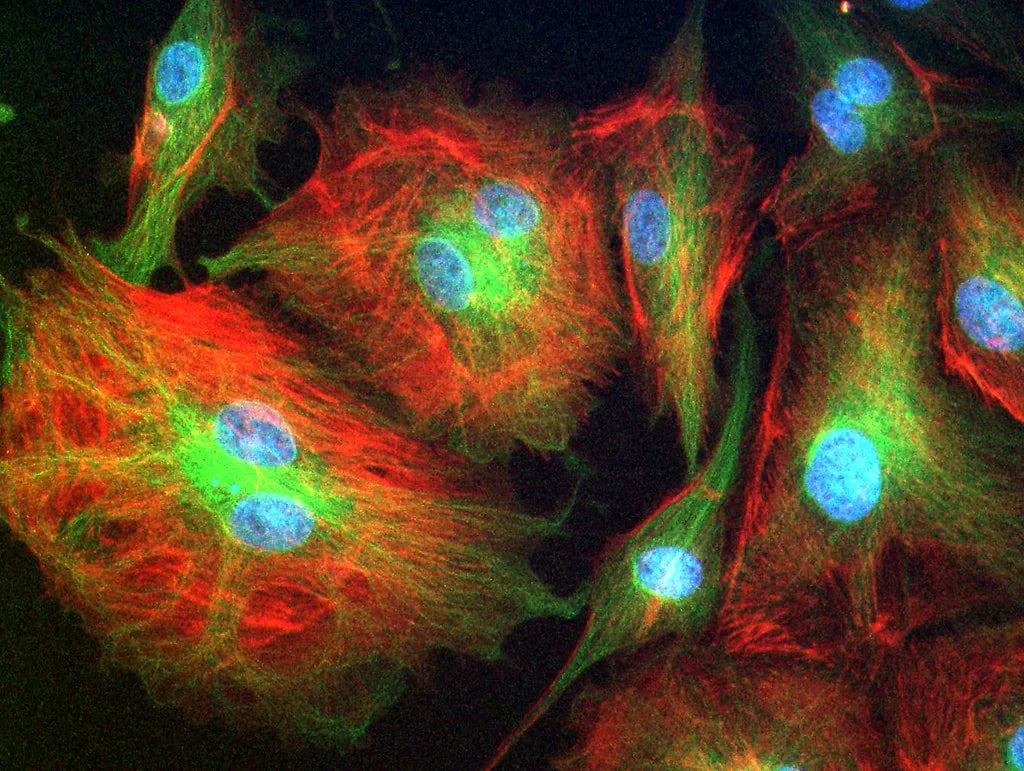
In 2016, Yoshinori Ohsumi won the Nobel Prize for describing the mechanisms of autophagy - the cell's built-in recycling system. Research now shows this process is essential for maintaining healthy hair follicles throughout life.
What Is Autophagy?
Autophagy (literally "self-eating") is a conserved cellular process that identifies and recycles damaged proteins, worn-out organelles, and cellular debris. Think of it as quality control - cells break down dysfunctional components and repurpose the building blocks for new, healthy structures. It's triggered by various stresses and signals, including nutrient deprivation, exercise, and certain compounds.
Why Autophagy Matters for Hair
- Stem cell maintenance: Hair follicle stem cells rely on autophagy to clear damaged proteins and maintain their regenerative capacity. Impaired autophagy leads to stem cell exhaustion - the cells gradually lose their ability to initiate new growth cycles.
- Catagen regulation: Autophagy plays a role in the controlled regression of follicles during catagen. Proper autophagic function ensures orderly transition between phases.
- Oxidative damage clearance: Hair follicle cells generate significant oxidative stress during rapid growth. Autophagy clears oxidatively damaged proteins and mitochondria before they accumulate and cause harm.
- Anti-aging for follicles: Age-related decline in autophagy is one mechanism behind gradual hair thinning. Maintaining autophagic function helps preserve follicle health over time.
What Happens When Autophagy Fails
Reduced autophagy leads to accumulation of damaged proteins and organelles in follicle cells. This impairs their function, reduces energy production, and can trigger premature cell death. In stem cells specifically, autophagy failure results in loss of regenerative potential - contributing to follicle miniaturization and thinning.
How to Support Autophagy
- Intermittent fasting: Time-restricted eating (12-16 hour overnight fasts) is one of the most potent autophagy activators. Even modest fasting windows promote cellular recycling.
- Exercise: Both aerobic and resistance exercise stimulate autophagy throughout the body. Regular physical activity is one of the best ways to maintain this process.
- Polyphenols: Compounds like resveratrol, epigallocatechin gallate (EGCG from green tea), and curcumin activate autophagy pathways. Quality supplements can provide concentrated forms.
- Adequate sleep: Autophagy is upregulated during sleep, particularly deep sleep. Poor sleep disrupts this critical maintenance window.
- Avoid chronic overnutrition: Constant high-calorie intake suppresses autophagy. Allowing natural hunger between meals promotes cellular recycling.
From the routine
Mentioned in this article

Common questions
Frequently asked questions
Will fasting help my hair grow?+
Can supplements activate autophagy?+
Does autophagy decline with age?+
Is there a connection between autophagy and hair cycling?+
The Regrowthy System
Ready to start regrowing at home?
Hands-free. Non-prescription. 660nm clinical wavelength, backed by a 30-day guarantee.
Continue Reading

Advanced Science
Mitochondrial Function and Hair Follicle Health: The Energy Connection
7 min read
Hair Loss Science
The Hair Growth Cycle: Anagen, Catagen, Telogen
9 min read
Advanced Science
Epigenetics and Hair Loss: Beyond Your DNA
8 min read
Lifestyle & Wellness