Conditions & Hair Types
Hair Changes with Age: What's Normal and What's Not
Your hair changes at every decade - not just in terms of loss, but in texture, growth rate, color, and thickness. Here's what's normal aging and what deserves treatment.
RE
Regrowthy Editorial TeamOctober 20, 20258 min read
Updated January 25, 2026
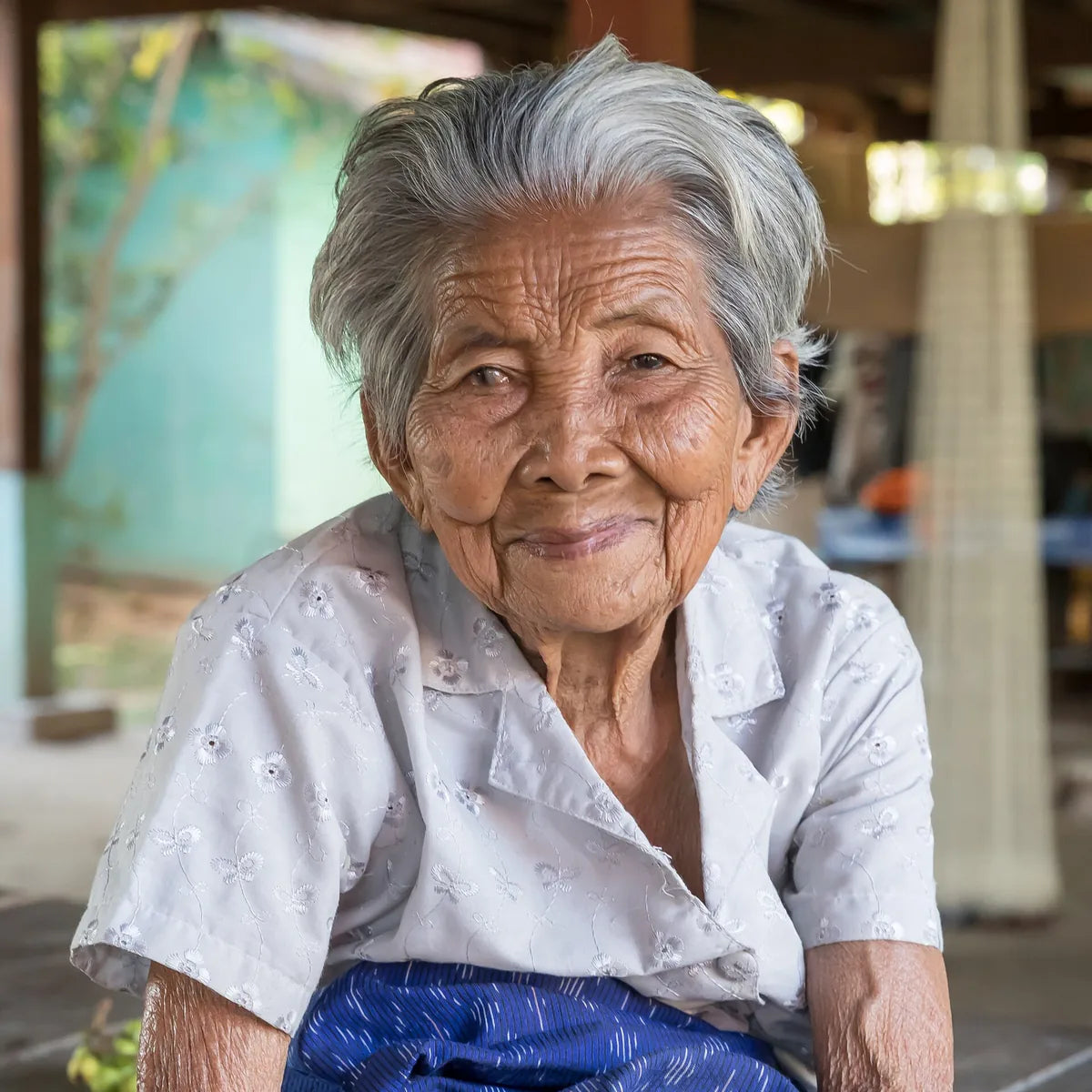
Hair doesn't just thin with age - it transforms. The hair you have at 50 is structurally different from the hair you had at 20, even in follicles unaffected by pattern baldness. Understanding what's normal aging and what's addressable helps you set realistic expectations and take appropriate action.
Your 20s: Peak and Early Signs
- Hair is at its thickest and most robust in the late teens to early 20s.
- Androgenetic alopecia first becomes detectable - 25% of men show early signs by 25.
- A maturing hairline develops (normal - not the same as recession).
- Best window for prevention if family history suggests risk.
- Growth rate is at its peak: ~6 inches per year for scalp hair.
Your 30s: Changes Begin
- Individual hair shaft diameter begins to decrease - each strand becomes slightly thinner.
- Grey hairs appear as melanocyte activity declines in follicles. Typically starts at temples.
- About 40% of men show noticeable thinning by age 35.
- Growth rate may slow slightly.
- Women may first notice widening part lines, especially with hormonal changes.
- Best decade to start active treatment if thinning has begun.
Your 40s: Acceleration
- Hair density decreases noticeably - approximately 50% of men show significant thinning by 45.
- Grey hair becomes prominent. Hair texture may become drier and coarser.
- Women entering perimenopause may notice accelerated thinning as estrogen declines.
- Anagen (growth) phase shortens with each cycle, meaning each new hair doesn't grow as long.
- Scalp sebum production changes, potentially leading to drier scalp.
- Treatment at this stage is still effective - maintaining what you have is very achievable.
Your 50s and Beyond
- 50% of men show significant pattern hair loss by at 50.
- Hair growth rate slows further. The anagen phase may be significantly shorter than in youth.
- Hair becomes progressively finer, lighter, and drier across the scalp.
- Women may experience noticeable diffuse thinning post-menopause.
- Overall scalp follicle count decreases - some follicles simply stop producing hair permanently (senescent alopecia).
- Treatment focus shifts to maintaining density and quality rather than aggressive regrowth.
Normal Aging vs. Treatable Changes
- Normal: Gradual greying, slight decrease in overall density, slightly slower growth rate, texture changes. These are universal aging processes.
- Treatable: Pattern thinning (hairline/crown), sudden shedding episodes, visible scalp through hair, significant density loss. These indicate androgenetic alopecia, telogen effluvium, or nutritional/hormonal issues.
- The message: Aging affects hair quality, but the dramatic thinning most people fear is NOT an inevitable part of aging - it's a treatable condition. The Regrowthy Laser Therapy Cap helps people at every age maintain and improve their hair.
From the routine
Mentioned in this article

Common questions
Frequently asked questions
Is hair loss inevitable as I age?+
Some mild density decrease with age is normal. However, significant pattern thinning (hair loss at the hairline and crown) is NOT inevitable - it's androgenetic alopecia, which is treatable regardless of age. Many people maintain good hair density into their 60s, 70s, and beyond with proper care.
Can I regrow hair at 50?+
Yes - age doesn't prevent follicle response to treatment. While results may be somewhat more modest than treating in your 20s-30s, significant improvement is achievable at any age. The key is follicle viability - if miniaturized follicles are still present, they can respond to treatment.
Why is my hair texture changing with age?+
Hair texture changes because individual strand diameter decreases, melanin production changes (grey hair has a different texture), sebum production shifts, and the hair growth cycle shortens. These are normal aging processes. Supplements and proper care can improve texture quality.
Should older adults use the same hair loss treatments?+
Most hair loss treatments are appropriate for all adult ages. The Regrowthy system (topical treatments, laser therapy, supplements) is safe and effective for adults of any age. Prescription options like finasteride may have different risk-benefit profiles in older adults - discuss with your doctor.
The Regrowthy System
Ready to start regrowing at home?
Hands-free. Non-prescription. 660nm clinical wavelength, backed by a 30-day guarantee.
Continue Reading
Hair Loss Science
Understanding Male Pattern Baldness: The Complete Guide
12 min read
Lifestyle & Wellness
Hormonal Changes and Hair Loss: Puberty, Aging, and Everything Between
10 min read
Lifestyle & Wellness
Preventing Hair Loss in Your 20s: The Early Action Advantage
9 min read
Lifestyle & Wellness